The Pedestrian

Will one find it difficult, in the coming weeks, to experience one’s own city as a pedestrian? The term “pedestrian” in elite societies is sometimes “looked down upon,” as against the person who sits smugly inside a four-wheeler and feels the difference. The joy of walking that one had 50 years ago had a social context, as cities were less crowded, had fewer vehicles, and offered plenty of footpath space, or even portions of the road where one could easily walk from Point A to Point B to Point C and back home. Currently, the recent expansion in the ownership and acquisition of vehicles has made it extremely difficult to remain a pedestrian. In today’s terms, a pedestrian is probably neither looked down upon nor even cared for, except that the person who walks is rather isolated. There are 300 helmets if 150 bikes are stopping at a red light, along with four-wheelers and buses separated by dividers, one chooses to walk only when the pedestrian signal turns green. Yet, because of impatience or perhaps frustration, the pedestrian has little chance against these behemoths, and all the two-wheeler drivers are hidden behind visors. That leaves me wiser to the reality that I should quickly negotiate between four or six vehicles by holding up my left or right hand to indicate that I am legitimately crossing at a zebra crossing – sauntering across stripes that are themselves almost invisible because they wear out faster than the city authorities can muster the resources to repaint them. The complication is similar at road humps, where stripes are also supposed to exist but are sadly missing for the same reason: both the humps and the paint wear out quickly. The city traffic police are definitely a stoic lot, or perhaps a harassed lot, though they rarely show their harassment or frustration. The sheer authority of the khaki uniform, the white shirt, and the whistle remains. Sometimes they carry sticks and caps as part of standard issue, or even wear helmets because they may immediately have to rush on their own bikes to the next junction when the radio hoisted on their shoulders signals a problem or crisis at another location. They have to contend with indifferent drivers, riders, pillion riders, and pedestrians who scurry across roads. Yet, during traffic jams, it becomes strangely convenient to test the agility of our heels and knees while leaning toward or away from rear-view mirrors, all the while remaining conscious and aware of riders so as not to embarrass ourselves. There is often a wondering look as to why I should be a pedestrian at all, and my dear friend who chooses to walk in the early mornings gently reminds me to take care. The true adage in management is that a manager should measure what one manages. So, managing to remain a pedestrian, I thought, would perhaps be the best way to increase awareness, contemplation, and meditation in the current world – something that seems impossible merely by reading or checking media. So-called negativity is overwhelming, only lightly balanced by positivity from do-gooders who quantify and prescribe how one should live life here and now. The pedestrian, however, exists in the here and now. It is the driver, rider, and passengers whose lives are placed in the command of the person behind the steering wheel. How a person responds to another who overtakes from the left or veers recklessly through traffic because it is time to reach the college bell reflects the current condition of society. This is the present mode of life, where one must place a thumb on digital time recorders whose summaries go to the HR chief, or the delegate of the HR chief. Strict monitoring of time also enables ERP systems to deduct salaries proportionate to the minutes one is absent from the office. How does all this affect a quiet village, where time once seemed to rest gently in one’s hands? More and more employment now draws villagers into cities and back again, as commuting from rural areas becomes part of modern life after they equip themselves with the competencies needed for city jobs. In a village, being a pedestrian was once very easy. It was always my favourite thought that I could simply lounge around in a village. But with current levels of prosperity, village roads too are lined with parked vehicles – from brand new cars to second-hand ones. It is surprising that the amicable rivalry between villages and cities is slowly transforming into affection, nostalgia, and the genuine ability to say that one can still be happy by visiting one’s own village. There, one meets villagers who are friends or relatives and enjoys the quietude for a few hours. The quality of village life is overwhelmingly better than the exhausting travels of cities, whether they are Tier 1, Tier 2, or Tier 3. City corporations and town municipalities alike ultimately serve only one Indian citizen who must constantly figure out how he or she will commute.

Gurpur Valley and the Foothills of the Western Ghats

A Landslide, A Community, and a Lesson in Living with Nature There was a landslide between Vamanjur and the bridge – a block on a road that is now being developed as a National Highway. At that time, however, it was a State Highway, before being handed over to the National Highways Authority (NHAI). The landslide occurred in July after heavy rains, and the evidence can still be seen today: a major slice of the hill had collapsed. On top of that hill stands a primary school, now painted like a railway bogey. As a result, all of us from Mangalore, as well as those from Moodbidri, were prevented from reaching Gurpur. Likewise, all the residents beyond that point were affected. Buses had to be diverted via Bajpe. More than a hundred express and other buses began using the diversion route, increasing travel distances by approximately 6 to 9, and in some cases even 12 to 14 kilometres per trip. At that time, there were clay lorries transporting clay, but the majority were river sand lorries. Consequently, the transportation of stones, sand, and other materials was disrupted, and all traffic moving from Moodbidri towards Mangalore city was blocked. A Minister’s Swift Response Shri B. A. Moideen, the Honorable Minister in charge of the area, immediately visited the site, surveyed the situation, and ordered experts from Bangalore to examine it. In those days, resources such as excavators and large trucks were not readily available. For the next 48 hours, newspapers carried headlines, surveys were conducted, and discussions took place regarding how best to deal with the situation. The lorry owners made it clear that they could not simply increase their charges because of the diversion through Bajpe. Bus operators also emphasized the need to restore the road as quickly as possible. Volunteers Each lorry owner contributed a vehicle, and labourers immediately began excavating the mud and dumping it at suitable locations. Within 24 hours, a pathway sufficient for movement had been created. An important aspect of the story is that measures were simultaneously taken to ensure that no further landslides would occur. Because of this incident, important decisions were made both in Bangalore and at the district headquarters. It was truly a remarkable sight, and residents of Gurpur who witnessed it will recall that the entire effort was voluntary – it was said that not even a single rupee of government money was spent. The work was carried out by about 3,000 volunteers and paid workers who joined together to clear the road. This nearby landslide story therefore remains highly relevant even today. Why This Story Still Matters Its relevance lies in the lesson that we should not disturb the ecology of the Gurpur Valley, or any other valley in Dakshina Kannada, unnecessarily. The principle involved is terracing. Many of us have travelled on the Konkan Railway and observed that monsoon schedules differ from regular schedules. The travel time of the Matsyagandha Express increases by nearly three hours during the rainy season. However, the Konkan Railway has addressed landslide risks differently by introducing terracing along vulnerable embankments. Similarly, throughout the foothills extending up to Karwar, one can observe extensive terracing undertaken along the National Highway. When limestone, laterite (“shady,” as we call it locally), or loose soil is cut vertically for heights ranging from 30 to 80 metres, landslides become almost inevitable. Therefore, as human beings, we must apply ingenuity and practical solutions at the lowest possible cost. Micro-Engineering for a Beautiful Valley We should adopt micro-engineering solutions in Gurpur and nearby areas so that our beautiful valley can remain naturally preserved, even when practical issues such as two- or three-metre variations in water stagnation levels arise. What we need is practical engineering. Practicality does not mean relying exclusively on local resources. With a minimal quantity of cement or reinforced concrete, scientifically applied, structures can remain stable and effective for fifty years or more. For example, the steps constructed in 1958 during the Punar Pratishtha remain intact even today. This is not merely because of sound engineering; it is also because they were built with affection, dedication, attention, and care. Every stone was carefully crafted with longevity in mind. Laterite, a natural building material abundant in this region, hardens over time. Excavating and demolishing laterite structures is generally not a good idea, but people often do not listen. They seek modernity through demolition and reconstruction. Anything can be demolished; rebuilding well is the real challenge. A Request Therefore, I thank everyone for their attention and request each person to contribute, however modestly. The contribution need not be financial; it can simply be attention, care, and concern. Once a place becomes beautiful, people naturally appreciate it. However, that is not the main objective. The primary goal is to make it convenient and livable for all of us. Villages are the Future Some people may even choose to live in villages because they offer a quality of peace and tranquility that is difficult to find elsewhere. This is not only about the temple, the mosque, or the church. Villages are good places to live because they provide peace, lower levels of pollution, and higher levels of oxygen – even if the difference is only one or two percent. Village life represents the future of India, especially when villages can also offer broadband connectivity, good-quality food, and opportunities for people to sit together and engage in meaningful conversations. Gurpur is going to be great!

Phalguni Institute of Nature and Ecology

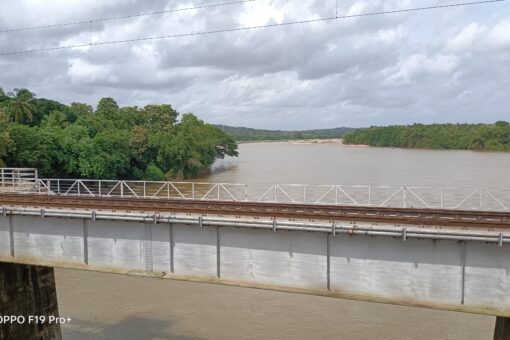
Phalguni Institute of Nature and Ecology (PINE) can be established for the purpose of promoting the growth of flora and fauna in Dakshina Kannada. In the nation of Bharat, in Sanskrit, it is referred to as sasya and syamala. The evolution of prakriti, which refers to the modifications in all beings, plants, trees, and all related areas in practical terms, needs to be allowed to bloom. Indian soil, in its diversity, accommodates all varieties of plants. This is amazing, and this includes water management, the ability to work with one’s own hands and feet, and the application of the joys of sight, sound, touch, feel, and taste. In the Phalguni Basin, which in its course ends in the city of Mangalore, the river flows through the city and encircles it. It joins the Netravati River at the delta. This river is 83 kilometres long, originating from the Western Ghats, and its riverbanks will need to flourish with nature and ecology, without intrusion from pollution or man-made atrocities against nature. The broad aim of PINE is: a. To promote the Phalguni River Authority; b. To protect the River Banks agenda by encouraging alternatives to land-bank methodologies and invoking ecological depositaries and nature enclaves; c. The construction of local habitats that are suitable for enjoying all the seasons of the year; d. To construct piers dynamically and facilitate moderate and safe boating; e. To adapt to the seasons, in the Indian context of ritu. They are: – the summer season, – the rainy season, – the harvest season, – the cool and cold season, and – the spring season. Temperatures remain moderate around the year in the Coastal Karnataka region. Mild weather attracts human beings to interact more with nature than with extremes, as extreme cold and extreme heat are not present in our region. Augmentation will happen when there is abundant growth of vegetation. No part of the earth should be left without tree or plant cover, thereby enabling the ecology to improve and allowing small plants and trees to absorb the carbon dioxide generated by all forms of emissions from mechanical and fuel-driven devices or equipment. Every portion of the area can be utilised for small affordable homes. Materials, labour, and tools can combine to produce the requirements of vegetables, coconuts, and all nuts grown within the region. Local vegetables that can be adopted for consumption in all edible forms may be encouraged. The theme “Buy Local” will be encouraged to promote good consumption practices. Avoiding the use of materials or media that may adversely affect the ecological system can also be encouraged.

Kalyana Karnataka University

A Proposal for Karnataka: Consolidating Nine Universities into One A measured look at a comprehensive vision for higher education, recruitment, and governance. The higher education landscape in Karnataka appears to be at a potential turning point. A comprehensive proposal has been put forward suggesting that the state government might consider consolidating nine universities – which have been deemed non-viable – into a single institution: Kalyana Karnataka University. Could merging struggling universities help address unemployment, decongest Bengaluru, and reshape higher education? The proposal offers some thoughtful considerations. This is not merely about merging administrative departments. The vision touches on recruitment, governance, judicial delays, and even the fundamental understanding of what “education” means. The Background: Nine Universities Facing Challenges According to information from media sources, the Government of Karnataka has taken a view that nine universities, established over a period of nine years, may not be sustainable to continue functioning as independent universities: 1. Hassan 2. Chamarajanagar 3. Haveri 4. Kodagu 5. Koppal 6. Bagalkot 7. Maharani Cluster (Bengaluru) 8. Mandya 9. Nrupatunga University (Bengaluru) It is worth noting that once processes begin in government or academia, reversing them can be difficult. The proposal suggests that the primary concern should not be economic feasibility alone, but rather ensuring that students who approach higher education learn well. A Suggested Path Forward: Consolidation The recommendation put forward is straightforward: all nine universities could be merged into one entity named Kalyana Karnataka University. A management adage reminds us: “When a resource is limited, magnify its yield.” Following this thinking, Kalyana Karnataka University could be open to funding from specific mandates. The other eight campuses and their allotted land could continue as departments with Heads of Department, allowing faculty to return comfortably to their academic positions within the new university or continue until their superannuation and retirement. On the Nature of Universities The proposal offers a philosophical observation: The term “Private” may not be entirely applicable to education nomenclature, except in the context of what a mother teaches her child, what a brother or friend teaches another, or even in the current scenario where a daughter teaches a father, mother, aunt, uncle, or another citizen. It is suggested that there need not be a separate category of “Private Universities” or “Deemed-to-be Universities.” Instead, they might simply be called Public Universities when notified under the Universities Act, since all educational bodies are managed by trusts, societies, and similar legal entities meant for public interest. Leadership and Implementation The proposal notes that the current incumbent Chairman of the Institute for Social and Economic Change (under the Government of India) is Ashok Dalwai. It is suggested that he could head a five-member Commission to resolve this issue within three months, execute the measure, and ensure that the functions of the universities are taken over. Decisions on balancing revenue and expenditure from the State Government and all sources of revenue – current and future – would be based on principles of austerity and simplicity. Ostentation would be avoided until universities become sustainable. Administrative and Registrar functions would then become more manageable. The focus would then turn toward accommodating the moral processes that go into higher education at the least possible cost to a student. The Government and the Cabinet might decide on one Vice-Chancellor designate for the merged universities, supported by nine retired executives – each not below the rank of Chief Secretary of the State. A Committee would comprise three former Registrars, two former Additional Secretaries, and two former Secretaries for Education. This Committee could be provided space in the KPSC building for a period of four months. Decentralizing Operations to Suvarna Soudha All orders would emanate from Suvarna Soudha. A Cabinet sub-committee meeting at Suvarna Soudha would send a message of staffing for strength while simultaneously addressing the issue of required recruitment of officers of the State Government. The eight Vice-Chancellors could be provided the ranks of Secretaries of the State. They could help neutralize coaching and other institutes for public administration through gentle and subtle efforts, and norms for recruitment would undergo a change. All Gazette notifications for Government employment would be issued from the MANGALA Gangotri campus of Mangalore University. Appointment letters would also be issued by the Government of Karnataka DPAR offices, including special-purpose offices established for Bengaluru. The purpose would be to avoid congestion in Bengaluru City. Full utilization of Suvarna Soudha would serve the purposes of round-the-year use of committee rooms and offices. The Office of the Development Commissioner would function from Suvarna Soudha—not only for the districts of Kalyana Karnataka but also for certain functions for the entire State. The main campus location would be decided by the Government. Addressing Unemployment and Recruitment The current situation presents an understandable concern that many graduates are unemployed. At the same time, the Government of Karnataka is looking to recruit a certain number of personnel within a certain period of time. On the Karnataka Public Service Commission (KPSC): The KPSC is publicly criticized from within the Government and outside, yet this institution perhaps should not be undermined. The Government could consider having only nine members for the KPSC. A quasi-recruitment board could function for preparatory purposes related to the Constitution and the laws, and implementation of key aspects of the functions of the Executive. A three-member Committee at every District and Taluk could receive public grievances—both individual and collective—to streamline grievance handling processes for both corrections and corrective actions. In the recruitment process of the Union Public Service Commission, the number of members—including the Chairman and eight members—could all be drawn from among the best, so that the recruitment process would be confirmed in the respective areas. A new process worth considering: Interviews could be conducted by 36 incumbent executives, where candidates, working as teams, could be provided internships and apprenticeships for specific tasks. These opportunities could also be extended to former ministers and current ministers, as well as senior administration, to test capabilities in a natural administrative environment across all possible disciplines. The recruitment process might include tests with interaction from the public related to the functions of the State. Character could be given precedence over epistemology, as knowledge is often acquired through experience and epistemological aspects. Learning from Retiring Personnel It has been reported that in the Government of Karnataka, approximately 273,000 personnel are going to retire (Source: Deccan Herald). One might ask: Would it not be fitting that people who retire could teach the warp and weave of the art of administration—guiding others from mediocrity toward excellence? It is suggested that in the last one or two years of service, incumbent retirees or potential retirees could be the very persons who guide potential employees after the recruitment process is completed, including acceptance and rejection during probationary services. Karnataka has always been ahead in innovation and in administrative activity. On training and coaching: Apprenticeship, training, and internships could be made part of the recruitment process. This would mean that applicants—among whom various kinds of protests are now happening—are often victims of training and coaching. Therefore, the entire training and coaching processes could be gently eased out rather than “banned.” The Role of Legislators and Legal Professionals The Chief Minister, Ministers, and others are understandably prone to making public statements and gathering petitions. The whole exercise could be structured so that after recruitment, employment can happen straight away. Attention is drawn to Article 309 of the Constitution of India, which is yet to be fully operationalized. All members of the legal profession and the Bar could be employed in assisting prosecution, thereby strengthening prosecution as well as the making of law at the level of Secretary (Law). The senior-most legislator who is aspiring for a position in the ministry could chair Committees on Higher Education, along with a seasoned opposition member who has been a former Minister as Co-Chairman. This could help sharpen processes for Government action rather than blunt divisions. A rank of Cabinet Minister could help reduce infighting, meaning that processes that are held up in Government could have more rapid resolution of issues with voluntary support from prospective employees. Channeling Public Grievances The grievances of the people could be channeled through the aspiring bureaucracy that requires posts to be filled. All these universities could become centers for reprocessing applications and issuing appointment orders after a two-year apprenticeship, internship, and teaching course. This approach could eliminate coaching classes and equivalent requirements in the appointment of required posts. The KPSC could be shifted from Bengaluru to Davangere, where the Additional Chief Secretary could head the Department of Administrative and Personnel Reforms, posted at Suvarna Soudha in Belgaum, with the requisite staff to oversee management of change. Addressing Pending Litigation Regarding pending cases: All cases in the Hon’ble High Court of Karnataka, Bengaluru, relating to personnel could be moved to the Dharwad Bench, with approximately 80 personnel from various departments—each not below the rank of Secretary—to help decongest pending litigation. Petty cases arising out of egos and superegos might be mitigated by compromise decrees and suitable reliefs based on principles. At least seven of those personnel could have deputies who would deal with cases in response to various petitions filed in the Supreme Court of India in connection with Karnataka and the Karnataka High Court, as well as cases in other courts and tribunals. A special dispensation could be made where invitations would be extended to the lawyers of the people, along with the requisite institutional backing. The idea is that issues arising from egos, superegos, principles, or clerical mistakes that reach the Supreme Court could all be resolved across the table through discussions outside the city of Bengaluru—perhaps within the ambience of Suvarna Soudha—and withdrawn with mutual consent based on precedents or cordial acceptance, with the goal of ending litigation costs, both current and future. The Government of Karnataka could draw on former officials to chair committees, along with two officials—one serving and one capable of providing clarity on the petitions—and offer suitable instructions and conclusions. A Practical Suggestion for Dispute Resolution The proposal also implies that applicants and aspirants for jobs could understand the processes that work in tribunals. The Government of Karnataka could be a pioneer in immediately appointing about 300 posts where internship and apprenticeship would take place in the areas of disputes. Currently, Ministers go around for public interactions and receive petitions that are routinely handed over. Solutions often come only after they are suitably addressed. These could be addressed through sessions in universities, which could be conducted in Constitution Clubs beyond normal study hours. It is therefore suggested that about seven Additional Chief Secretaries could be promoted immediately from the rank of Secretary. Those close to retirement within nine months could be requested to handle this work and continue beyond 12 to 24 months at Suvarna Soudha, with all facilities to enable quick resolution of disputes. A Final Reflection This proposal offers a thoughtful vision for structural consideration—one that touches on education, employment, governance, and judicial efficiency. Whether the government chooses to act on these recommendations remains to be seen. But the conversation about consolidation, decentralization, and recruitment reform appears to be one worth having. This blog post is based on a proposal document sent to the Department of Higher Education on 28th March 2026. The views and recommendations expressed are those of the author and are presented here for discussion and consideration.

The Daily Gold Price Reference Rate Publication

India Needs a Daily Gold Price – Here’s the Plan The Imperative The establishment of an official Daily Gold Price Reference Rate for India – supported by institutional reforms in bullion markets, logistics, currency infrastructure, and strategic reserve management – is an imperative. With gold prices unusually high in international markets, India’s response must be practical, rooted in the 5,000-year perspective of bullion in our civilisation. I. Immediate Measures The Daily Gold Price Reference Rate needs publication by a quasi-Government agency – Financial Benchmarks India Ltd (FBIL). The Department of Economic Affairs must initiate action by constituting an ad-hoc Bharath Precious Metals Agency, which would later evolve into a Government regulator. A Cabinet Note must be moved. II. Bullion Market Regulation All gold loans shall be issued by registered jewellers, regulated by the India International Bullion Exchange. State-owned banks shall be authorised dealers in primary gold. All commercial banks will be allowed to deal in primary gold from a Government entity and seven nominated wholesale banks. The Forward Markets Commission (FMC) – merged with SEBI in 2015 – must be re-established as the Bharath Products Forward Markets Commission. India currently lacks a forward market with specific delivery contracts, having leapt directly to futures and derivatives. This chasm fragments businesses instead of creating efficient neutral spaces. III. Delivery and Transportation Deliveries of primary gold shall be escorted only by India Post and the Railway Police. Inter-state transportation shall use unmarked vans, guarded jointly by the President’s Bodyguard and CRPF, establishing the Special Bullion and Weights & Measures Protection Service. RBI can transfer gold reserves to Government on a FIFO basis. Up to 80 metric tonnes may be held at Rashtrapathi Bhavan by July 2027, adding 1 tonne each July 15. The President shall appoint the senior-most RBI Executive Director as Comptroller of Bullion Reserves and Keeper of the Currency Plates and Mint Dies. IV. Reference Rate Criteria · Gold: 24 carat international standard· Recycled gold: BIS hallmarked in 22, 18, and 14 carat· Delivery: Precious Metal Vaults with authorised commercial banks· Reference Currency: INR, determined at seven levels daily based on the IMF’s SDR rate, processed within 60 minutes of publication V. SDR Rupee The rupee equivalent of the SDR shall use the weighted average exchange rate of currencies traded in India on the previous working day. Reference rates must be available by 9:30 am IST – physical markets are most active 10:30 am–12 pm and 3 pm–4:30 pm. FBIL shall publish: · SDR = INR Rate· INR = All Currency Rates· On a 2-hourly basis (except 1 am–7 am IST)· In 22 Indian languages plus English VI. International Gold Price Determination The price shall consider: (a) producer prices in exporting nations, (b) transportation costs, (c) Mangalore Airport Precious Metals facility as reference for international deliveries. The econometric formula can be entrusted to Niti Aayog, IITs, RBI faculties, and think tanks as a matter of national interest. VII. Data Governance Publication shall be enabled across seven RBI-created sites. Data keying-in authority shall not be below the rank of Secretary to Government of India, Deputy Governor of RBI, or Managing Director (Bullion) at Central Bank of India. Processing will follow a gazetted protocol with subscription access. Key Strategic Proposals Purchase from the United States: Government of India and RBI will purchase 250 metric tonnes of mined gold from the USA. This reduces the Merchandise Trade Deficit with the US, strengthens bilateral relations, and helps insulate the INR from speculative attacks. RBI Gold at Bank of England: This gold needs to be moved to the Bank of Japan and offered to the forward market through at least seven Indian commercial banks. Primary Gold from RBI to Government: RBI should provide primary gold to a state-owned bank, exempt from customs duty. Profits—the difference between acquisition cost and current price—would accrue to Government. Export-Linked Release: RBI should release gold only against jewellery exports, coordinated with the Director General of Foreign Trade. Fluctuations Management Reserve: A reserve equivalent to ₹9 lakh crores in Indian rupees should be created and managed within India rather than in international currency securities. Currency Management: India’s current account management would become calibrated across approximately 175 currencies, utilising 150 years of Indian commercial banking experience to prevent volatility and manage fluctuations. IMF SDR Valuation The IMF’s SDR methodology must be simulated for India. For context, on March 20, 2026: SDR 1 = US$1.36334, US$1.00 = SDR 0.73349. A revisit to the classics by Indian economists like Professor B. R. Shenoy and Dr. B. R. Ambedkar – grounded in 20th-century economic theory – will provide the basis for India’s economic flourishing. This proposal was respectfully submitted for kind consideration to the PMO on 25th March 2026

Bharat Grameen Bank

Pioneering Rural Finance and Development in India “Serving every individual in rural and suburban India through finance, infrastructure, and development.” The Government of India is considering a transformative step: converting the National Bank for Agriculture and Rural Development (NABARD) into the Bharat Grameen Bank, a wholesale and commercial bank of national importance, wholly owned by the government. This initiative aims to strengthen rural finance, agribusiness, village industries, and self-reliance across India. Relocation and Strategic Hubs NABARD relocation to Nashik: The denotification of Deolali Cantonment makes it an ideal location for the new headquarters, centralizing wholesale banking activities. Vidarbha Region as a development centre: The region is positioned to become the hub of agriculture, rural development, village industries, khadi, agribusiness, and rural employment. Wardha as the agribusiness hub: Historically associated with Vinoba Bhave, Wardha is proposed for relocation of the Khadi and Village Industries Commission, symbolizing rural India and freeing Delhi’s environment. “Wardha and Nashik will become the convergence points of rural prosperity and economic growth in India.” Aviation and Transport Infrastructure Shri Vinoba Bhave International Airport: Priority should be given to building this airport, serving as a base for India Post, Indian Railways, the National Disaster Management Authority, Embraer, and alternative aircraft deployment. Fleet of commercial aircraft: Based in the Wardha–Amaravati region, this fleet will support ESG goals, water conservation, and rural economic growth. Indian-owned operations: All aircraft will be owned and operated by Indian enterprises, ensuring efficient, cost-effective transport for agricultural and manufactured products, including clothing. Potential SEZ designation under the Special Economic Zones Act 2005 will further enhance economic activity. Rural Prosperity and Urban Convergence Measured agricultural growth: Agricultural management should be located outside Delhi to focus on rural development. Population-based resource allocation: Towns with populations of 15,000–100,000 will be strengthened to encourage reverse migration and reduce urban congestion. Finance as a tool for ease of doing business: Availability of finance should guide business facilitation, with monitoring of prices prioritized over inflation alone. Conflict vs dispute resolution: True convergence occurs when conflicts are absent. Dispute settlement and conflict resolution are distinct, allowing resources to focus on growth and human development. Action Plan for Bharat Grameen Bank 1. Banking Role and ESG Focus – Operate as both a commercial and hybrid investment bank for rural investments, while maintaining sovereign functions through special verticals. – Headquarters and all registered offices should be located in rural areas, emphasizing ESG principles and rural impact. 2. Operational Guidelines Wholesale bank licence: Issued by the RBI, making Bharat Grameen Bank India’s first wholesale bank. Deposits: Acceptance of only Current Account and Savings Bank deposits, with high minimum balances. Branch operations: Limited to rural areas; no presence in cities with populations above 30 lakh. Management: All operations conducted through Grameen Banks, with permission to hold equity in state-owned banks and supportive corporates. NABARD equity: Permanent 26% holding in all Grameen Banks, with public equity capped at 26%. Long-term bonds: 10–20 year bonds issued to sustain lending, accessible to rural, semi-urban, and global investors. Government holdings: Limited to under 35%, encouraging public and institutional participation. Objective Bharat Grameen Bank aims to serve every individual in rural and suburban India, providing finance, enabling prosperity, and supporting the country’s goal of self-reliance. Through strategic relocations, focused infrastructure, and innovative financial policies, rural India can become the cornerstone of India’s economic growth.

Reforms in Public Sector Banking

Response to the Draft Circular on the Lead Bank Scheme Key Policy Proposals The Reserve Bank of India issued a Press Release on 13 February 2026 inviting public comments on the Draft Circular for the Lead Bank Scheme (LBS). While the LBS has long supported rural and institutional banking, the current State Level Bankers’ Committees (SLBCs) require a fundamental overhaul, as they no longer fully meet operational or structural needs. Given the breadth and complexity of the scheme, a structured response must address public sector banking reform, rural credit, SME financing, governance frameworks, and long-term capital markets. This blog consolidates public comments, including proposals from the paper “Reforms in Public Sector Banking.” 1. Transform the Central Bank of India into a Government-Owned Wholesale Bank The Central Bank of India should be delisted and all public shareholders bought out so it becomes a fully government-owned enterprise. The bank would focus on wholesale banking, serve State Governments and institutions, and divest SME advances to SIDBI, with SIDBI restructured as Bharath Laghu Udyog Bank. 2. Reorganise Rural Banking through NABARD and Grameen Banks Rural branches of public sector banks could be handed over to NABARD and other state-owned banks. About 120 branches would remain to support agricultural knowledge and rural development. Grameen Banks would be strengthened through Central Bank equity participation and improved coordination. 3. Develop a ₹9 Lakh Crore Long-Term Bond Market Grameen banks and development institutions could issue long-term bonds in GIFT City, attracting domestic and international investors. Bonds would fund agriculture, rural development, and infrastructure, while allowing farmers and local stakeholders to hold structured financial instruments for alternative income streams. Committee on Banking Reform The Government of India has announced the creation of a high-level committee to examine banking reforms. It should be chaired initially by a former Cabinet Secretary for at least nine months, with sufficient resources to guide policy. Over time, the committee could evolve into a permanent framework for prosperity-building within the Department of Banking Operations of the RBI. Its primary focus should be commercial banking reform, ensuring that public sector banks effectively serve institutional and rural needs. Governance and Institutional Structure Effective governance is key to institutional reform: – Appoint a retired officer of Secretary or Cabinet Secretary rank as Chairman Emeritus for two years. – Appoint a serving officer of Secretary rank as Chairman for three years to manage central and state relations. – Boards should include professionals from central, state, and national sectors, with four Additional Chief Secretaries from State Governments. – Four Managing Directors and five Executive Directors would execute government mandates in wholesale banking. Farmers’ Financial Participation and Agricultural Growth Structured financial mechanisms like Farmers’ and “Friends of Farmers” Funds could ensure that farmers hold up to ₹10 lakh crore in bonds and other instruments. These measures, coupled with strengthened rural banking, could support India’s agriculture in producing an additional 40 million metric tonnes of crops over 20–30 years, meeting both immediate and medium-term needs. Skill Development and Institutional Capacity Institutional capacity can be strengthened through: – Collaboration between RBI and AICTE to manage select engineering campuses for commercial banking skill development. – Recruitment by India Post to develop a nationwide banking and currency management cadre. – Absorption of experienced personnel by commercial banks for specialised roles in governance, fraud prevention, and rural banking operations. The overarching goal is professionalism, integrity, and long-term institutional sustainability. SME Recovery and State Financial Corporations State Financial Corporations (SFCs) could play a central role in restructuring and recovering SME accounts: – Debt Recovery Tribunal (DRT) accounts may be transferred to SFCs for structured recovery. – Collaboration with the Supreme Court of India and High Courts ensures integration into regular judicial frameworks. – Interest charges on recovery accounts could be suspended to facilitate SME restructuring. Conclusion The Draft Circular on the Lead Bank Scheme offers a chance to rethink India’s banking architecture. Reforms in public sector banks, rural financial institutions, bond markets, governance frameworks, and institutional capacity are critical to strengthen financial stability and support long-term economic growth. Ultimately, successful financial reform must rest on integrity, professionalism, and robust institutional structures. Credit will follow integrity.

Enhancing Electoral Processes and Citizenship Verification in India

Proposed Reforms for Enhancing Electoral Processes and Citizenship Verification in India India’s democratic system requires constant strengthening to ensure that electoral processes remain transparent, efficient, and trusted by the people. The following proposals outline reforms that could enhance the functioning of elections, improve citizenship verification, and support a more peaceful and orderly democratic process. Strengthening the Institutional Framework The Election Commission of India should have a direct source of revenue from three sources. All the elections managed by the Election Commission of India should have an authority with the Population Commission of India (forthcoming). The Population Commission of India needs to be managed by the Indian Post Office and the BSNL network. The Government of India should commission the BSNL network to establish infrastructure on all government property. This will convert all former BSNL utilization, including telecom equipment and towers, to provide the Election Commission with access for screening, scrutiny, verification, and validation of the people of India. Citizenship Identification and Legal Classification The people of India need to be identified as citizens and non-citizens. Non-citizens need to be classified under the People’s Representation Act, not only for the ability to contest elections but also for the eligibility to vote in a particular context. The Government of India needs to validate the population on a regular basis, not just through an annual census, as an annual census is impractical in Indian conditions. This should be a continuous process, with verified and validated citizens continuously updated in national databases through physical, personal verifications, and under conditions that allow the people of India to exercise their citizenship. Therefore, the census must exclude all criteria other than the individual’s, and individuals will gain confidence in the value of their citizenship. This will result in the proper channeling of the right representative, the right person, and the right conduct. Thus, case-based census methods should be ruled out permanently, and Buddhist principles, which once reigned in India before Christ, should be adopted as the basis for citizenship. Global Collaboration and Cultural Exchange This can be done in collaboration with the 15 best nations in the world, who can interact with and gain from Indian culture, art, science, and participation in the Indian story. Institutional Partnerships and Election Management The Government of India should decide to have a separate subsidiary company formed by seven reputed companies that have demonstrated the capacity to earn the honour and respect of the people of India. These companies include the Reserve Bank of India, Indian Oil, Amul Cooperative, the Indian President’s bodyguard, any one national agency, the CISF, and the CRPF. The best officers should be selected to manage the election conduct in terms of the security of ballot boxes and transportation. Logistics and Operational Efficiency The Indian Post Office should first be given as many electric vehicles as needed to manage their daily post and elections. State government vehicles need not be commandeered for this purpose. RTCs that have surplus vehicles, which are used daily to transport government officials, senior visitors, or tourists, can be commandeered as needed. Therefore, elections and electioneering need not be as disruptive as they are now. Towards a Peaceful National Election Day Elections can be a peaceful process. Every first Sunday of December should be declared Election Day, and all aspects leading up to the elections in the preceding 364 days should be conducted in a quiet, peaceful, and non-obstructive manner. This shall be the foundation of a peaceful Democratic Republic where democratic institutions perform exceptionally well under all circumstances, leading to the rise of a new Bharat, India.

A Thirty-Year Perspective on Aviation and Engineering Ecology for Western India

This blog outlines a set of points for the next thirty years for Mangalore, Dharwar, Belgaum, Kolhapur, and Nasik, focusing on the aircraft and aviation ecology for Coast Guard, Navy, and civilian utilization. Interdisciplinary Approach Intelligence applied will involve interdisciplinary engineering and space management. Port Authority and SEZ New Mangalore Port Authority and the Special Economic Zone are customs zones and can offer modernized throughputs of spares and parts throughout India and the world. Mangalore Airport Expansion The Mangalore Airport Customs zone is already established and can be expanded at will.The shorter, older runway can be used for taxiing and for hangars for smaller aircraft, seaplanes, and smaller aircraft like the 9-seater Saras for deployment. Indian Economy and Engineering Imperatives Demographics remain important, but human development is yet to evolve. Engineering will play a major role, such as massive investment in seawater to usable water along coastlines and 100 percent recycling of water at any local body. Engineering and technology influences will continue across international borders. Key Points for Future Development Aircraft Engine Development India needs to seize the advantage in aircraft engines and play host to all the five majors. An engine manufacturers’ ecology can be created with promoters and government support to purchase and lease in Rupees in India to Indian owners of planes.Problem areas can be addressed at IITs and NITK on specifics including finance and management issues. Space in the Mangalore Special Economic Zone needs to be utilised for aircraft engine development. R&D for Fuel Applications Space can be used for Research and Development for fuel applications for all types of military and civil aviation, with a direct connection to the refineries. Aerospace Ecology Engineering units around Mangalore, including NIT-K, can be connected to IIT Dharwad to develop future connections to aerospace ecology in Belgaum and further to the Kolhapur–Nasik belt. Export Potential Connections can be developed with Embraer and direct flights established to Brazil, Africa, and beyond.Engagement with the Ceará state around Fortaleza offers shorter distances than via the US or Europe, with potential connections through Kenya, Senegal, or Ivory Coast. US and Latin America Connection Connections can be established through Panama, Cuba, Guyana, West Indies, and Mexico.This enables easier access to South America via South Africa, directly into Argentina, leveraging resources for South Asia and the Asia Pacific. Australia and New Zealand Investment Development of at least 100,000 housing units from Perth to the entire Western Australian state can be undertaken, focusing on mineral and metal resources and establishing a zone of peace and development.Investments can be placed in habitable locations rather than congesting main cities. Engagement with Neutral Countries Neutral countries in currency management, such as Scandinavia and Denmark, can be engaged to blend Indian capital with global capital for rapid growth and quality development in India. Indian Political Economy Investment in Greenland The Government of Denmark and India can invest in Greenland for servers (saves air-conditioning).Icebergs can be towed to the Panama Canal. Marine Engineering As the ice melts, water can be pumped into ships and discharged inside the canal temporarily. Engines of Growth Seven nuclear aircraft carriers for India.Whatever it takes to employ justifiably two crore families in two years. Further inputs can be generated as progress continues.

Cashew Apple Liquor-Based Cough Syrup – A Natural, Safe, & Sustainable Healthcare Solution

The idea of developing a natural cough syrup from Goa’s traditional cashew apple liquor (Feni) brings together science, indigenous knowledge, public health, and farmer welfare. With rising concerns over the ingredients used in conventional cough syrups, there is a growing need to explore safer and more sustainable alternatives. Cashew apple liquor, deeply rooted in Goa’s culture and produced by local communities for generations, offers a promising foundation for such innovation. This proposal highlights the potential for a collaborative effort involving universities, health sciences institutions, industry partners, and government agencies to explore and develop a cashew apple liquor-based cough syrup that is natural, safe, and supportive of sustainable rural livelihoods. Background and Rationale Recent global concerns about harmful ingredients in certain cough syrups have sparked widespread social, political, and economic reactions. This situation underscores the urgent need to explore natural, harmless, and easily available remedies—especially for children. Cashew apple liquor (Feni), with its rich nutritional properties and traditional medicinal uses, presents a unique opportunity. While consuming it directly is an adult matter, using it in small, carefully calibrated concentrations within a medicinal syrup could make it suitable for all age groups. For centuries, humans have used naturally fermented liquors not only for enjoyment but also for easing fear, distress, and minor ailments. In Goa, villagers have long regarded Feni as beneficial, reflected in the well-known Konkani phrase:“Kazoocho Soro Jeevak Boro” – Cashew liquor is good for life. Across India, cashew apple production generates nearly 4 million metric tonnes of fruit, much of which is discarded. Harnessing this underused resource could provide farmers with new income streams while supporting local industry. Why a Natural Alternative Is Needed Children everywhere deserve safe, effective, and accessible healthcare solutions. A cough syrup made from cashew apple liquor can be: – Natural – Farmer-friendly – Sustainable – Easily produced at village level In Goa, Feni is a Geographical Indication product traditionally made in small distilleries by local farmers. Other states can also adopt simplified regulations to support decentralized production. A trust-based system with self-regulation, supplemented by excise oversight, can ensure responsible and viable production. Transporting cashew apples to distant distilleries is often unviable; therefore, a farmer-oriented, village-level approach ensures better outcomes for both producers and consumers. Scientific and Pharmaceutical Considerations Most conventional cough syrups—Zeecof, Coflet EX, Corex, Benadryl, Tus-Q, Ascoril, and others—contain active ingredients such as – dextromethorphan, phenylephrine, chlorpheniramine, codeine, paracetamol, bromhexine, terbutaline, salbutamol, guaifenesin, ambroxol, etc. These medications are effective but must be used cautiously and as directed by healthcare professionals. In contrast, a cough syrup based on cashew apple liquor at 20–22% concentration, combined with a simple sugar base, could reduce reliance on chemical additives while offering natural therapeutic value. Pharmaceutical expertise is essential to ensure safety, dosage accuracy, and compliance with standards. Universities and industry partners should collaborate to incubate and support this innovative product. At least ten pharmaceutical companies may compete to develop a cashew apple liquor-based cough syrup for both the Indian market and export. Implementation and Collaboration A coordinated effort is needed to transform this concept into a viable healthcare product. Steps include: Engaging universities, health sciences institutions, and industry partners Signing a Memorandum of Understanding with key organizations, including IMA Mangalore Conducting detailed studies on formulation, dosage, safety, and efficacy Encouraging research in formats that are: – Scientific – Technological – Technical – Pharmaceutical – WHO-compatible – Designed specifically for human use The overarching goal is to create a cough syrup safe for: – Infants – Children – Adolescents – Adults – Elderly populations Cashew apple processing should become a home industry, where farmers extract juice and ferment it with support from State Excise Departments. International Dimension This project offers an opportunity for integrated collaboration at the global level. The FAO, UNIDO, and WHO, working together with the Government of India, can pioneer a model that links: – Agriculture – Industry – Public health Such inter-agency cooperation would promote sustainable innovation, rural livelihoods, and India’s traditional strengths in natural product development. Conclusion A cashew apple liquor-based cough syrup brings together tradition, science, and sustainability. It offers a path toward a natural, safe, and culturally rooted healthcare solution while enhancing farmers’ incomes and reducing waste. Through coordinated research, responsible production, and international collaboration, this vision can become a transformative model for natural healthcare innovation.