CASH CROPS OF CANARA

CASH CROPS OF CANARA Agriculture and horticulture are the main topics for any generation to address. Every individual must partake in food consumption to fulfil their daily needs. Mangalore has played a pivotal role, steering a transition from agriculture to horticulture and subsequently to services. Cash crops are defined as those grown in fields by producers, readily sold for cash, not meant for subsistence or direct consumption but as a sale for consumption by the whole community. The element of consumption is vital in any agricultural produce value chain, and the demand and supply of any product can vary significantly. Significant agricultural products like jute, cotton, and tobacco are also noteworthy. The Indian economic structure comprehensively covers a range of spices and normal cereal production, pulses, oilseeds, cotton, and similar items. Food will always be in its natural form, as evident in crops such as banana and papaya, which are now readily available year-round. This is due to modern techniques and skills employed, with better and better varieties and hybrids of every kind of agricultural produce based on agro-climatic conditions, irrigation, and nutrients. Regarding Dakshina Kannada, Mangalore has long been renowned for handling black pepper. Written observations suggest that black pepper exports occurred as early as 3 BC, mentioned in Greek records. This historical claim warrants validation, given Mangalore and neighboring communities’ active involvement in promoting international trade in various produce. As for policy, plantation regulation is overseen by the central government in consultation with state governments, ensuring a well-structured growing and delivery process. One should delve into all agricultural products, numbering over 325 basic species. However, variables, variants, and feature-oriented approaches in each of these contribute to the diversity in the production-to-consumption value chain. Mangalore has demonstrated expertise in conversion, as seen in the production of beedies using tobacco, tendu leaves, cotton thread, and paper. It has been at the forefront of knowledge in cashew conversion and coffee curing. In the 1960s, intrepid farmers in the district made rapid strides in arecanut cultivation, incorporating research inputs from CPCRI Vittal for coconut in Kasaragod. This led to the development of hybrid cultivation practices that yielded higher returns than paddy. By the 1970s, Bunder Mangalore was teeming with arecanuts, involving ecology, commission agents, traders, processors, baggers, and subsequent trade. Bananas, pineapples, all vegetables and fruits, and the uniqueness of mangoes are frequently discussed. Currently, tender coconut can be considered a cash crop. Plantation crops, such as coffee and tea, are defined in India. Consequently, the term plantation refers to extensive cultivation undertaken by individuals or groups. Legally, plantations are meant to be production places where regulations for labour management apply. All these activities, including cultivation, harvesting, and marketing, are undertaken by specialized individuals, the producers, encompassing tea, coffee, spices, and similar produce nationwide. Cash crops yield outcomes when further processed. For instance, coffee beans are roasted with chicory to create blended coffee powder for instant coffee technology. Mangalorean investors transitioned into coffee planters, transforming the town into a coffee curing station. Cocoa was introduced into the Puttur and Sullia regions of Dakshina Kannada. Cadbury India successfully implemented it as a backward integration measure. Campco, as a cooperative, efficiently managed this produce by introducing world-class machinery and continues to handle it successfully. Novel opportunities are emerging for developing cash crops. Essentially, cash crops are those planted and produced for selling by the producer, not for self-consumption or sustainability. The daily consumption habits of urban and rural people in our region will shape the future of cash crops. It is now taken for granted that discussions about common or improving beverages are shifting towards specialties, blending nutrition, wellness, health, and value-added components. This encompasses aspects like brands, trademarks, organized manufacturing, national production, packaging and distribution, supermarkets, convenience stores, and home deliveries. India is blessed with abundant natural resources, affirming the capacity to feed every Indian. Furthermore, the pursuit of comforts and luxuries by different economic classes significantly influences modern-day commerce. A legal distinction exists when one mentions a plantation crop. KCCI needs to address with organisations like UPASI to extend auction arrangements for tea at Dharwar or Gadag, the centres of Karnataka for price discovery and associate all cash crops in the auction centre. Mangalore would contribute in knowledge, data and information incorporated as part of skills in trading and commercial geography.


Obituaries

Dr. Vinay Hegde Dr. Vinay Hegde, Chancellor of Nitte (Deemed-to-be-University) and a distinguished educationist, passed away in Mangaluru at the age of 86. He breathed his last on December 31, 2025, leaving behind a lasting legacy of establishing numerous educational institutions and making meaningful contributions to society. Dr. Vinay Hegde’s contribution spanned the social, economic, and political spheres in the truest and most authentic sense.He embodied the essence of Bhagavad Gita — “Vidyā vinaya sampanne” — reflecting wisdom, humility, and balance in action and thought. Rest in Peace. You gave so much to the community — back to the community, for the community, and by the community — always with humility, deep respect for family and relationships, and a profound understanding of both present and future needs of the people and the nation. You were a long-term visionary, yet deeply practical in execution. We have lost a great educationist. We created SEZ together — a testament to your commitment to development and institution-building. Dr. G. G. Lakshman Prabhu Dr. G. G. Lakshman Prabhu’s enduring legacy in Mangalore is marked by his exceptional, all-encompassing personality. Originating from Gurpur, a small village twelve kilometres on the eastern route to Karkala, Kudremukh, and Sringeri, his great-great-grandfather, an early migrant, recognized opportunities in the burgeoning port town of Mangalore. G. Vasudeva Prabhu, a person of simplicity, developed a knowledge of Sanskrit and engaged in a small-scale business centered around wholesaling cattle food and related items. G. Mohandas Prabhu, the dynamic elder brother of Dr. G.G. Lakshman Prabhu, significantly contributed to the personality development of Mangalore’s youth through active participation in the JC movement. In the field of urology, Dr. G. G. Lakshman Prabhu not only pioneered unique observation methods and swift diagnosis but also exhibited a compassionate focus on patients, alleviating their tensions with just a glance. Beyond his medical proficiency, he possessed a profound understanding of the human body, emphasizing the importance of doctors connecting with the broader spectrum of humanity. Numerous acquaintances, including patients and their relatives, shared narratives of Dr. G. G. Lakshman Prabhu’s transformative impact, recounting instances of individuals being cured and restored to complete personalities, human beings again. I had the opportunity to meet Dr. Lakshman when he became the President of the Rotary Club, and he invited me to address a weekly meeting. Dr. Lakshman called me on the phone and requested that I discuss a topic of my choice. He received me with his office bearers, and as Rotary is a perfectly organized event, I spoke about inflation. After that, we had a few brief actions. A profound insight into Dr. Lakshman’s persona unfolded during a town hall meeting, a citizens’ program thoughtfully organized by Col. Bakshi, who expounded about India from a perspective of a few thousand years and what it is today and what it could be. As the orchestrator, Dr. Lakshman ensured unwavering audience engagement, revealing his extensive knowledge and deep affection for the nation, city, humanity, and citizenship. Reflecting on his ability to inspire beyond conventional roles, Dr. Lakshman’s impact on everyone he encountered was profound and meaningful. Survived by his wife, son, and daughter, his charming presence, witnessed daily by his family, will be a lasting memory. To the citizens of Mangalore, whether familiar or not with Dr. Lakshman, he would be remembered as a good citizen, transcending emulation and adoration. The noble profession of a doctor, sacrificing for the health of a nation, resonates with the teachings in “Unto This Last,” the noble treatise by John Ruskin, the philosopher and economist mentioned – the role of a teacher, the role of a doctor, the role of a trader, the role of a pastor – all have a uniqueness. After 150 to 200 years of this kind of evolution, we have learned from our ancient scriptures, which we still do today. Dr. G. G. Lakshman Prabhu’s legacy will endure, living in our hearts. We would say shock and grief, and then we would overcome it, and we would say we would remember. But Bhagwan Krishna’s wisdom in the Gita reminds us that the soul is immortal. In his memory, let us strive to uphold his standards, acknowledging that, while perfection is divine, inherent goodness is a precious gift. My heartfelt prayers extend to his family and the community, urging strength to bear the loss. Remembering Dr. G. G. Lakshman Prabhu goes beyond nostalgia; it is a call to carry forth his ideals and principles. His life, an inspiration to all generations, prompts us to lead normal, better, and truly human lives as responsible citizens.

Cashew Feni based Cough Syrup

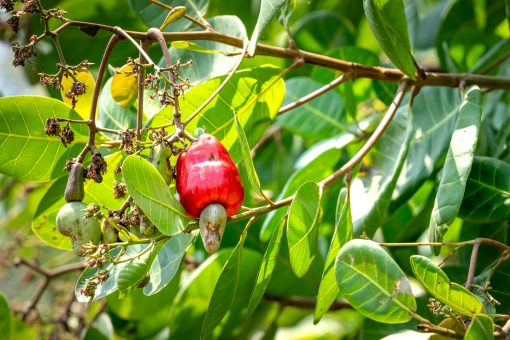
In the recent past, there was a news item that cough syrups which were given to children in African states resulted in problems. This however is a global story. The children of the World deserve something better, which is natural, can be harmless at any point of time, and also easily available. Africa now is the biggest producer of cashew nuts and therefore, ten times that much cashew apple gets generated. India has to give the lead in Science and Technology. And today is celebrated as the Science day of India. Can we make a cough syrup out of cashew apple liquor, which can be easily made as in Goa by the farmers themselves. In Goa it is called as cashew feni and it has a geographical indication. But it can be called as cashew apple liquor elsewhere. It becomes viable only when farmers are able to do it in their own villages, in accrued distillery. It can be then collected and made available for potable purposes as poor man’s liquor. The question is, whether molasses based liquor is more harmful and cashew apple liquor is not, because it is natural. For the past 30 centuries or more, human beings have developed liquor based on natural fermentation that it is both for the spirits of enjoyment or in the modern world, is for spirits to drown their fears or anguish or sadness. So, let us come to the question that if it is joyful, that farmers make their own liquor. And if it is joyful that working men celebrate a hard day’s work with a little glass of cashew apple liquor. Then every cashew apple is the World will get converted into something potable. The idea of a cough syrup is not coming out of the blue. But the fact that in Goa cashew feni, which is made by the villagers themselves was administered to young children which resulted in the famous Konkani phrase “Kazoocho Soro Jeevak Boro”. Now that the Government of India has embarked on doubling the farmers income and natural farming, it should be given an impetus by all State Governments, where they can allow this liquor to be produced in the villages in an atmosphere of freedom than fear of the State Excise Laws, and make the laws as simple as possible. Watching the conversion and the monitoring of this program can be easily done by the excise officials based on trust and a little self regulation by the farmers themselves. It requires an energy as well as dedication by the farmers or assistance to farmers within a close area of not more than 2 or 3 kilometers of production. Since making it into a distillery for better options makes it unviable for farmers to carry over longer distances, a farmer orientation means the consumers eventually will enjoy this better and better. The cough syrup idea of course has limitations and also regulations to follow. Therefore, it is an idea that Pharma companies could encourage for their own production and make it possible that they exercise caution. It is not that cough syrup need to be promoted, as common cold, which is common all over the World, but it is something that is having a value chain compared to the alcohol that is now used in cough syrup. .

CANONS OF TAXATION

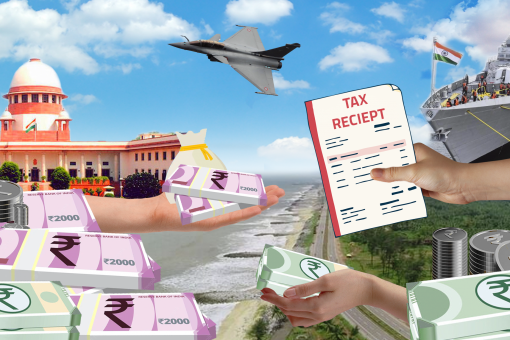
CANONS OF TAXATION Indian national and State direct and indirect taxes in the current context and situation needs serious introspection by the Parliament, Judiciary and Executive. The nation is at a continuous state of dispute with the taxpayer. We need to look at the canons of taxation and also India’s written history and sources from text on how a good and able tax system should evolve and work. Direct and indirect taxation has been taken beyond truth, value, trust and faith. Taxation is a means to the end of the well administered and managed democratic functions of State. It needs to be free from distortions , anomalies and aberrations. Its administration must command respect and admiration. The canons of taxation have turned into twin turret cannons. These have been incorporated negatively against citizenship by – Administrative Law  Injustice in Law Law is ever changing and evolving. It is what one is made to believe in.In this period of 75th year of Independence, a Tax Payer is conveyed a Tax Code or Text of the law up to 999 pages, a little short of a 1000. The Canons of Tax are briefly: (i) Canon of Equality or EquityIt is proposed that every Adult in this nation should be taxed. There should not be any exceptions or exemptions. There need not be any exemptions to the individual who needs to be free to decide what is best to be done with post-tax savings. (ii) Canon of CertaintyDeath and taxes are the only certainty. Everything else is transient. There need not be any uncertainties, ambiguities that assessing officers can twist and turn that goes into litigation. (iii) Canon of Economy Cost of collecting taxes is the lowest in the world. There are enough and more people employed by the Government, and the Governments have the means to collect taxes. The existing people and mechanisms are sufficient to collect intended taxes. The evolution of digital rupee and means can make collection easier from all earners up to the bottom of the pyramid. (iv) Canon of ConvenienceTaxes can be collected efficiently. As Chanakya said, “taxes should be collected like the evaporation of water and distributed like rain.” Modern economists have added more in the list of canons of taxation. These are: (v) Canon of ProductivityEvery citizen need not slog to pay taxes like ‘Lagaan’ and the atmosphere in the nation should be that people pay up with the least effort or ease. Door to Door collection is a possibility – the Postman or a Newspaper distributor or garbage collector can also be a tax collector. (vi) Canon of ElasticityIt has already happened. It will expand when equality and justice prevails. This needs to evolve to zero litigation and all disputes are settled by amicably by negotiation. (vii) Canon of SimplicitySorely missing. All Acts and Rules need to be simple. The implementation needs a change in orientation. This would happen when every person is taxed. (viii) Canon of Diversity Do not exclude transgenders. Make prostitution legal. Every conceivable income can be taxed. A mechanism of secret tax payments can also legitimize illegal or illicit incomes by Voluntary Inclusions – Other Incomes. What can be done is to remove all current exclusions and bring them under the tax net. Salt and rice can bear a taxation of 5 percent. Even Gandhiji would have agreed on a convincing argument that every person or thing be taxed. Poll Tax: Every Voter needs to pay a tax. This can begin with Rs 300 per voter, per year, and progressively increased to Rs 1000 per voter, per year. Every voter needs to be a taxpayer and every taxpayer needs to vote.

The Sri Lankan Crisis

The Sri Lankan Crisis is the product of about 12 to 14 years of investments and expenditure based on external finance. The debt repayment program of any small nation will come from the inability to pay debt in foreign exchange. The earnings drop from tourism has the major impact and this has to be dealt with optimism, humanism, and a fair exchange of ideas to address the situation on a day-to-day basis. India needs to extend all possible cooperation – economic, political, and social, as it would greatly benefit from a healthy prosperous neighbor for all time to come. The Indian position needs to be consolidated from neighborliness as well as a higher degree of self-interest. Previous conflicts bring into mind certain barriers, hesitation, and an inability to act under difficult circumstances due to narrow domestic political interests. A broad-minded approach requires a complete and holistic assessment with attention to details. It requires to begin in a series of small economic and social steps, and political gains in the national or international arena will come when the benefits are assimilated directly by the Indian sectors in both social and economic segments. Political gains are always in the medium and long term when sensible steps are taken. Reason we should prevail over emotions and the action should be bound both by expediency or quickness in dealing with the specific requirements of specific segments. However, broadly it has to come from economic sector, that India and Indian government will have to provide the resources on a regular as well as an exceptional basis. Here, the long term also needs to come into play. Economically, the first big requirement is to be done by the Ministry of Finance, NITI Aayog, and the Department of Economic Affairs, as to how India can benefit from an Indian rupee – Sri Lankan rupee convertibility arrangements as well as a swap. It is not impossible for Sri Lanka to renegotiate the international currency arrangements it has. It has initiated the same. Sri Lanka can also invoke assistance from South Asian GCC nations in the current account services segments. This will enable it to negotiate medium term notes for longer periods by Escrow Mechanisms for inward remittances and services incomes. Sri Lanka will be able to launch corrective actions for the medium-term once the near-term is resolved.

Redemption of External Debt Outstanding of the Government of India

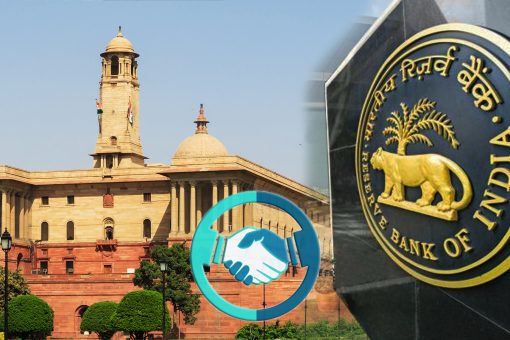
Redemption of External Debt Outstanding of the Government of India 1.   The Government of India, Parliament, and the Reserve Bank of India need to work together to recognise the difference between the external debt converted to the Indian rupees at book value and the current rates. 2.   Table 1 reveals the external debt outstanding as on September 2021 taken from RBI bulletin. TABLE 1 * Source: Values extracted from Reserve Bank of India bulletin * Converted USD: INR @ 75. 3542 at 1:30 pm on 11/02/2022. Source: Financial Benchmarks India Pvt Ltd 3.  The Indian government owes Multilateral, Bilateral and IMF organizations a debt to the extent of USD 125.6 billion, that is, Rs 9,46,448 crores, which requires to be repaid on due dates. These are loans at concessional rates or otherwise. The Government of India needs to create an International Debt Redemption Fund 4.   The Government needs to be free of debt to any Multilateral and Bilateral institutions or the IMF. 5.   Parliament needs to decide that the Government of India needs to create an International Debt Redemption Fund. It can decide to allocate a nominal amount of Rs. 2500 Crores for this financial year 2022-23. 6.   One of the sources for the international debt redemption fund that can be decided by Government and Parliament is the annual surpluses from the Reserve Bank of India, entirely or a portion. 6.1. It is also clearly required to be stated that the profits of the Reserve Bank of India as determined annually is a surplus allocated to the Government of India. 6.2. For the next 10 years, it needs to be solely used for economic purposes as it is solely an earning from economic activity. 6.3. The Reserve Bank of India is in a position to share this and the Government can utilize it better. 7.   The liabilities of the Government of India clearly state as follows: TABLE 2 *Balance according to book value Source: Value extracted from statement of liability of Central Government from union budget India. 8.   The unnoticed contingent liability of Government of India. 8.1.  The Government of India does not “hedge its foreign currency borrowings in foreign currency”. 8.2.    As on the date say, 31st December 2021, the Government has “contingent liability of Rs. 4,77,413.48”. This is arrived explicitly in the Table 3 below. TABLE 3 9.  Parliament needs to examine the Pros & Cons of prematurely retiring sovereign foreign currency debt of India. Questions:    To what extent will the Reserve Bank of India and the Government of India with Parliament work together on the redemption of the Government’s Foreign Borrowings?     Is an early retirement or prepayment of the Government’s Bilateral, Multilateral and IMF loans appropriate for India, given the Foreign Exchange Reserves at Record levels?    Can the Government of India and the RBI enable current surpluses in the Global economy to create assets in India through the Financial System without risk?    If any nation in the world is condescending on India, the need for introspection is, do we need any loans or grants from any nation?    Is halting future sovereign loans a good policy? Henceforth, this needs to be a decision in principle. Remedies 10.    Parliament should address the contingent liability of the foreign exchange fluctuation risk. 10.1.  It should be expressly stated to the Parliament in budget papers or in the Committee, and the Reserve bank of India should confirm it in its monthly statement. 10.2.  The Reserve Bank of India and the Government of India should work together in narrowing these contingencies by introducing special measures. 11.     When the pre-payment is decided: 11.1.  It can be done by a Debt Swap equivalent in Rupees by issue of 364 days Treasury Bills. 11.2.  On exercise of this Swap, the Government can deposit it in foreign currency with State owned banks in India till it arranges to repatriate the money in consultation with lenders. 11.3.  All the lenders must agree to take back the loans before the due dates. 11.4.  The repayment of dues to the International Monetary Fund should be the first one initiated by the Central Government. 11.4.1.  The Reserve Bank of India is a contributory to the International Monetary Fund in its International Investments Program. 11.4.2.  The Government of India can easily repay this loan and need not rely on any borrowings of IMF under a managed Foreign Exchange Reserves Program by the Reserve Bank of India, which has been carried out in an accomplished manner. 11.4.3.  Indian citizens in India or internationally also need to be allowed to participate in international holdings in the form of capital account convertibility gradually developed in the next 10 years. 11.4.4.  This would be a great moment for India if the Parliament and Government with Reserve Bank of India decides that IMF borrowings to the extent of Rs 1,75,575 crores be repaid with immediate effect. 11.4.5.  This can be done with swap of Treasury Bills raised from the market and supported by the Reserve Bank of India in a short period. 11.5.   In the case of bilateral loans, these would have been taken for a long period of 20 or 30 years with durations of 20 or 30 or 40 years. It is time that these loans be repaid or provisions made for repayment in the ensuing months. 11.5.1.  Since bilateral arrangements have to be addressed diplomatically and arrangements need to be made by communications, Parliament can resolve that the bilateral loans can be prepaid. 11.5.2.  It would also be a grand moment if Parliament decides with Reserve Bank of India and Government that we are at a confident level that we do not request, ask or take any loan from a sovereign government for the purposes intended. 11.6.   In the case of multilateral loans, India need not resort to any loan from IBRD, ADB or World Bank or any other bank. It can rely on its own rupee sources and its savings. In order to achieve all of this, a conscious creation of an External Debt Redemption Fund will induce and motivate public finance actions as well as recognition of this debt by the public of India to bring in a spirit of sovereignty. 12.   The Government of India in forthcoming sessions of Parliament budget can create two funds –   Redemption of External Debt Fund   Defence Assets Acquisition in Foreign Currency Fund 13. Credits to these funds can be channeled through appropriate Budgetary mechanisms of the Central Government. One of the options is that Reserve Bank of India’s annual surplus can be a source of credit. 14.     The Government of India should halt all sovereign borrowings in foreign currency. India should become investors in Multilateral institutions. 15.   An internal debate in the Ministry of Finance needs to be initiated and if necessary, in the public domain, inviting public views. 16.   The Government of India can decide on merits and convey the decision in principle to Parliament and the Institutions and subject itself to scrutiny in the realm of public finance. 17.     The parliament Panel can convey to Government of India at the views of public. CONCLUSION •   The Reserve Bank of India and the Government should agree to swaps that enable RBI to hold securities equal to the rupee equivalent of Government Debts and the RBI can provide the needful forex to prepay loans. •  It is therefore wise to halt all sovereign borrowings in foreign currency – multilateral or bilateral. On the other hand, the current situation in India can contribute to global development of all nations as it is meant to be. • This will increase returns of capital in India and generate employment.

Creation of Strategic Petroleum Product Reserve – 20 percent Ethanol Blended

Creation of Strategic Petroleum Product Reserve – 20 percent Ethanol Blended India has a Strategic Reserve for Crude Oil. There is a need for having a Strategic Petroleum Product Reserve at Points and Proximity of Consumption in the Indian Union. An aggressive stance on blending ethanol with petroleum products can give rise to the new series of tactical investment, physical and working capital. Citizen’s participation will also be called for as it is in the interest of the consumer and the economy that vital fuels are always accessible. This demands a policy that these reserves are part of the locales, so that at any given time, the Products Reserve is sufficient to meet the requirements for 30 days and beyond. The possible locations can be: a)     Strategic Locations at Junctions of Indian Railways and NHAI b)     Rural Stations at a distance of 25 kms to 50 kms from cities and towns  c)     Proximity to producers – within 25 kms to 50 kms d)     Suitable for Blending, Stock and Flow with Ethanol 20 percent. e)   Blending with refined products needs to be separated from refineries with tanks, approved blending technology and ready delivery for routine sales as well as defined national or international calamities. f)      The total ” floating ” stock of blended products can be mandated to be available to all Marketing Companies.  g)  Marketing companies need to be offered pooled facilities at nominal national cost, where all Departments – Central and State Government Activities converge. h)     National Interest defined and mandatory connectivity to National Users  ·     Normal Conditions ·     Disruptions in commercial activities –  § notified and sudden refinery or logistics related mishaps § localised calamities  § national calamity related stoppages and shutdowns as determined by Authority Nodal National Agency For Example: o       Projects and Equipments Corporation Limited – Can be the National Agency and can be an Equity Partner with all other agencies as a Catalyst up to 26 percent of Equity. o       All Petroleum Marketing Companies with written agreements on supply and demand matching at respective locations. NHAI –        Needs to float a Subsidiary with commercial viability offering Right of Way and annexed facilities for tanks and pipelines and extended support to Highway Transport. Indian Railways # Needs to nominate an existing subsidiary like RITES or IRCTC or both that can use railway infrastructure in rural areas. # These facilities with strategic and tactical inputs also meet # Defence  # State Government nominated uses. International agencies and Government subsidiaries with interest in Petroleum sector can be invited based on their interest in the Indian markets if, –        they have expressed interest, as India is a dominant importer, –         they also have sovereign funds.    –       Example – Norway, Abu Dhabi, who can provide, Capital International Specialisation Innovation Systems Stakeholders Protecting their interests Safety of Capital Return on Investment Strategic interest Commercial Interests in finding neutral markets  Green Funds Agriculture and Employment Generating Agencies can be participating Example: Milk Unions Poultry organisations State Road Corporations Private Transporters who will value lower costs Indian Railways  PROMOTE –        Own Your Wagons –        Rakes For specific delivery points to long distance consumers.  For example, Kerala, North East, heavy consumption zones outside Major Cities.  METRICS –        One Month Equivalent to Stocks required in each District –        Two Months Equivalent for Defence and National Interests Stock and flow Principle This implies that the petroleum products stores remain fresh and regular commercial sales will be done from the same tank farm. The Base Stock – Diesel and Petrol Pooled Stock Working Notes  1.     There is a need to focus on the supply of products in proximity. 2.     In a market economy, producers will strive to reduce costs and maximise profits. They will not be “greedy” but work in “self-interest”. 3.     National interest has to be paid for by the Central Government and State Government.  4.     In the scenario described, both capital assets and running costs will be paid for by better efficiencies. 5.     Digital management to reduce costs. 6.     Public participation in Equity and Bonds where and when feasible for higher returns. 7.     50 percent utilisation concurrently for flow purposes will pay for the cost of the Product Reserves. 8.     There need not be heavy investment by the Central Government – participation can be restricted to 26 percent. 9.     State Governments will be benefited by infrastructure creations. 10.   Magisterial function in crisis will be with least disturbance to the public. 11.    Any world calamity can be resolved in 60 days with alternative supply. 12.    Public needs to be educated and participative not to waste petroleum products. 13.   Pollution needs to be penalised. 14.  Railway Rakes can be “floating” stocks and can be turned around at will, parking at midway points in loop lines or rural terminals.  15.  All Defence installations can have 8 point strategic storage surrounding the installation or camps and cantonments. Defence buying should specify compulsorily 20 percent blended under stringent quality specifications, which will in turn help civilian supply quality in surrounding areas. 16. Considering the Experience of SPPR – SPPR can be a minority but strategic equity partner at 26 to 35 percent with at least 35 entities to implement this nationally over next 5 years, with Mangalore as Headquarters due to convenience and congruence. Green Energy Promotion should be a win win win win win for the Indian economy

CASHEW – A TOUGH NUT TO CRACK

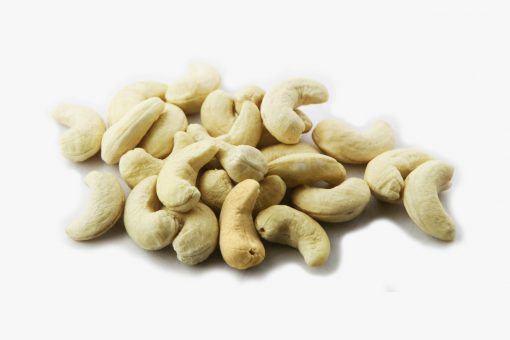
Cashew (Anacardium occidentale) is a tree nut of growing importance in the global trade of horticulture produce. Of late, many issues have cropped up and problems have surfaced on dealing with the harvesting and post harvesting stages and further treatment in the commercial value chain. The ratio of kernels to raw cashews is 1: 4 or below, depending on various factors that reduce yield. As it is a very expensive product, processing of cashew kernels must result in least possible destruction or damage or depreciation. Technology has not been a driver in cashew processing and the record of failures is higher than successes over a period of time. The conflict has been between the conventional processes and the newer developments. The evolution of cashew processing followed the course of demand. The higher demand for kernels led to the linear expansion of cashew processing, where the availability of labour was abundant. The increase in the economic cost of labour led to the concept of division of labour and evolution of the small version of the cutting machine. The history of mechanization of cashew is since late 1950s. The advent of mechanization began as supply of equipment trade by UK, Japan and Italy. Probably other nations chipped into help the producers and consumers. Mechanization took root in Brazil and evolved, but the industry could not deliver the volumes required for world markets from their own production. Non-availability of labour led to the innovation, which automated a part of the shelling cycle. Peeling was the most laborious part and machines were developed to remove the outer peel to the extent of 70 to 80 percent. Grading by hand evolved to small graders, which automated the process slightly to the optically sorted grades, almost simulating hand grading for sizing purposes. The Brazilian industry got protection from increases in global raw cashew prices, which indirectly gave compensation to some of the destructive aspects of mechanization on the process and the product. A precondition for good preservation of raw cashew is ideal to perfect sun drying to bring the equilibrium in moisture content. A fully well dried raw cashew has slightly below 9 percent moisture content. The biochemical actions turn for the worse if raw cashews are not well dried. This causes irreversible destruction and hence universal education of producer and traders is essential for making them aware of the value lost when raw cashews are not dried well. The pre-requisite is to complete the post-harvest. Drying process and process raw cashew fit for any type of manufacture. In Africa, a combination of state policy and practices, control and regulations and market practices globally contributed to the installation and failure of mechanised practices. It ran the cashew economy to the ground and revived with market practices and resulted in the massive growth globally when market prices generated market driven policy and practices which we see today. The challenge for cashew is that the means of producing kernels and technology for production needs to be defined.The cashew kernel extraction follows the processes of proper post-harvest care, further processing of raw cashews, conditioning of raw cashews and then roasting, shelling, oven treatments, conditioning of heated shelled kernels, peeling, sorting, elimination of testa and non-conforming degraded kernels and final grading as per commercial standards. The Raw Cashew Is A Tough Nut To Crack. The Following Table Reveals The Process: The peculiarity of raw cashews is that it cannot be compared to other nuts or agricultural processes. The evolution of processes to develop the kernels have been ad hoc and handed over as skills and sub processes to suit manufacture and delivery of kernels. Cashew manufacture requires a systemic study of all processes and sub processes and this need to be in situ in factories. It would be a huge challenge to have a central laboratory and development centre for cashew. Study and research of cashew manufacture is to be preceded by intense studies of the raw cashew for physical, chemical, biological, microbiology, biochemistry and water activity characteristics and behavior under different conditions and parameters. Thus, it is clearly a case for partly manual and partly mechanical process for extracting the full or potential value of a raw cashew. The raw cashew nut is the only tree with a hard shell which has a phenolic substance. The acid which the shell can release in process and how the shell can be separated without any contamination has been satisfactorily done with manual or partly manual and mechanical processes. Optical sorters with RBG technology evolved over sensors, which could sort to requirement. In all, the requirement of 60 employees per metric tonne produced got reduced to 10 employees in this year. The industry now comprises of a large number of heterogeneous processes. Cashew has also a kidney shape with an indent. The other characteristic or shape issue is that it has length, width and depth which vary. The thickness of the shells varies not just from nut to nut but within a single nut at the points where the shelling would take place. Any shelling that happens has to be at a particular point with a shape that has half a kidney characteristic with a sharp centre. This leads to issues when the nut slips and various types of damages can occur if this is done devoid of skill and when done mechanically there is no uniformity. Without shelling no further activity happens. This brings to us the sensitivity of parts of raw cashews when exposed to the process. Cashew manufacture involves heat transfer in multiple stages that can be applied, which are critical for extraction from the outer shell and further for the gentle removal of inner testa. Cashew kernels are covered by an inedible outer skin with a predominant component of tannin. The intricate processes for cashew kernels extraction once simple in the manual process has led to a series of complication when there are automated or mechanical processes. In mechanised processes the prerequisites go higher than in the manual process and the output or yields have qualitative, quantitative impacts as well as it alters the characteristics in a significant way that can affect the final product or the way consumer requires it. Packaging is special to cashew due to its delicate nature. Cashew kernels have another characteristic compared to other tree nuts. It is “meaty” and has good doses of fat and carbohydrates. This requires cashew kernels to be preserved well. Cashew requires an “inert” atmosphere which requires it to have specialised packaging. It is therefore desirable that cashew conversion is subject to severe tests after a series of observations. The objective is to magnify the value from each gram of raw cashew. Cashew as a tree produce will defy uniformity. It is a regrettable fact that there is no established or recognised industrial research on cashew manufacture. The nature and volume of the industry now requires it to be a national or international effort, preferably backed by United Nations or an internationally recognised and backed agency. Cashew manufacture and technology anywhere in the world will be standardized and a success only on the following criteria when set into a pre-requisite programme: Complete and thorough post-harvest drying of raw cashews practices by producers and traders or intermediaries e.g. cooperatives and handlers Protocols for storing and transportation of raw material that is raw cashew Complete understanding of biochemistry in process once raw cashews are submitted to process Suppliers and customers of cashew kernels understanding the cashew value chain Participation of the entire value chain as stakeholders in the study, research and development Any process technology will have to completely be the result of in depth study of the material. It is time for a World Conference on Science and Technology on cashew to establish thoroughly, the agenda and priorities for industrial research, to consolidate and explore new frontiers for cashew.

Legacy Issues: Pay-out of Interest of Government of India

The Reserve Bank of India must act speedily in making special efforts to undo legacy issues. The Government of India has borrowed heavily over the last 15 years. In the process, dealing with inflation at certain periods, the Reserve Bank of India independently took steps to increase the interest rates and established a higher interest rate regime for the whole nation. It certainly made an impact on the markets; it made an impact on borrowing by the public. In fact, a re-examination of its impact must be done internally by the Reserve Bank as well as the Government of India. In the period of four years, India had extremely high real interest rates as well as nominal interest rates compared to the rest of the world. It is therefore an opportunity to correct this. The Government of India has been the worst hit victim and on behalf of people of India, it cannot be burdened by legacy issues even though it cannot manage it. Reserve Bank of India has now within its means and tools, the capability of redressing these wrongs without hurting markets or its autonomy or position. The table below reveals a substantial amount to Outgo of Interest by the Government of India. a) Due to the increase in borrowings b) Increase in rate of Interest Source: budget.gov.in The Government of India needs to reduce the interest outgo from Rs 809,000 crores per year to Rs 350,000 crores for financial year 2022-23 and need not wait for prolonged periods. The table below shows the flexibility of savings on interest payment. Source: Prepared by G Giridhar Prabhu RBI can take the following steps: 1) The total holdings of government securities that it has on its inventory, which is to the extent of Rs. 11,00,000 crores can be converted into Treasury Bills at a nominal interest rate of 0.25%. This can be proscribed as a national measure in an emergent situation. This is equal to the interest rate in the global situation and India’s position within 10 large economies. This can be for a tenor of 364 days and the Government of India will save instantly the total amount of interest pay-out this year and forever. 2) It is recommended that the Reserve Bank of India can buy back the outstanding oil bonds and convert it into normal securities like Treasury Bills at 3.35 percent. This can be done immediately in order to ensure the goal of reducing interest costs of the Government of India. The saving over the period of the Bonds is Rs 17,788 Crores. 3) The Government and Reserve Bank can work together so that Reserve Bank of India buys to the extent of Rs. 33,00,000 crores of securities. These can be converted into – o 182 days Treasury Bills @ 3.35% o 91 days Treasury Bills @ 1.75% o 46 days Treasury Bills @ 1% o 14 days Treasury Bills @ .25% The table on list of Government of India securities outstanding as on 6th September 2021 is enclosed with this document. The list has been modified by making a table and the total outstanding in each of the interest rates is summarised here below. Total Outstanding Securities at different interest rate slabs (Rs. Crore): 4) Reserve Bank of India within its purview can structure as a response to current global Indian factors as follows in the next 4 months as a borrowing structure: • Treasury Bills Reverse Repo Rate less than 14 days Maturity 0.25% • Treasury Bills Reverse Repo Rate less than 46 days 0.50% • Less than 182 days 0.75% • Less than 364 days 1.00% 5) The RBI Governor in a recent interview conveyed that interest rate on Reverse Repo is within its purview and not within the MPC. Therefore, Reverse Repo auctions can be restricted to Treasury Bills at the respective rates. 6) The Government of India and Reserve Bank of India can create the additional liquidity temporarily so that Government of India can manage to raise these resources for the current year at a low cost. To this end, for at least next 18 months it need not raise any long-term loans beyond 10 years. 7) When Government of India can turn at least 75 percent of its current outstanding, it can save Rs.4,00,000 crores of interest annually for the next 10 years. The Government of India and RBI together should cognise that saving interest outgo is an exercise of convergence. It will help reduce revenue deficit and hence the fiscal deficit. When the Government of India is affected, the whole nation gets affected. RBI’s mission and mandate are for the people of India. The Reserve Bank of India and Government of India need to act to reduce the outgo of interest from the Government of India. This needs to be acted on expeditiously and the exercises and action needs to be in the current year. Government of India will save Rs. 4,59,000 Crores when action is initiated within 4 to 6 weeks now without waiting for Budget 2022-23. European nations are at negative interest rates and rest of OECD are at marginally positive interest rates at .25 to .75 percent. It is therefore India’s moment to capture Rs 33,00,000 Crores equivalent of Rupee Debt at a cost between .25 to 3.35 percent for Treasury Bills by integrating the Forex Markets with the Bond Markets. The balance of Rs. 40,00,000 crores also needs to be brought within the 4 to 4.75 percent range. India will grow at 8 to 10 percent CAGR only when – • Government expenditure comes down. • Public consumption goes up. • Capital goods for long-term can be accessed for future returns. • High-cost debt as legacy is replaced by low-cost debt for all entities. • Growth needs to be in middle class housing. • Infrastructure and long-term finance are priced around 6.1 percent to 7.5 percent or lower, and stable for 10 to 30 years. • Savers interests are protected by secured long-term debt. • Inflation needs to have a balanced view. These are some among the steps that are required to be taken and need to get collaborated with the real economy. India will grow into a Rs 400 trillion economy when a series of actions are initiated for the medium and long-term.

Sand Extraction at Coal Mines

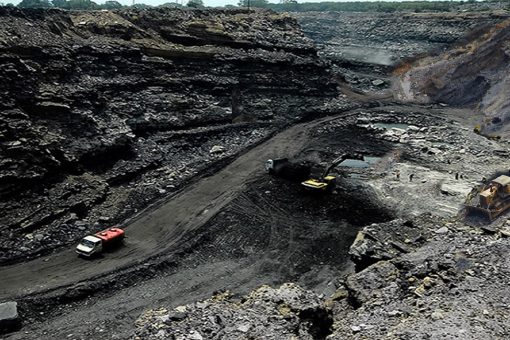
It is a welcome news that Coal India has converted waste into wealth. Sand is going to be in perpetual requirement for a dynamic and growing building economy. This is acute in urban areas where people use sand for construction of commercial and residential buildings. Sand is also consumed in large quantities in making of concrete roads and concrete structures. There is a shortage of sand in the cities of Bangalore, in the whole state of Kerala, in Goa, where there is a pricing issue as well as a quality issue. It is earnestly requested that Coal India Ltd make trial consignments in southern parts of Maharashtra, Kolhapur district, Hubli-Dharwad and Belgaum, the State of Goa, Kasaragod district in Kerala and up to Calicut. There is a larger demand than supply, hence it puts pressure on available sand suppliers and is leading to “smuggling of sand”, “sand mafia”, “difficult to handle situations” and “when interstate issues are involved”. Coal India Ltd has no presence in Karnataka, Kerala and Goa. If sand is made available to these places it would be definitely a national endeavour. Details can be worked out based on the supply side and it is also very important that Indian Railways is involved in this exercise. Sand selling depots can be organised in smaller railway stations, where access from the road to the rail head can be managed successfully by the users. Even where sand is made available to the contractors of NHAI or Railways, it will mitigate the demand to a certain extent. But at least 40% of the sand can also be marketed to individual households who build their dream homes. The presence of Coal India will then be on all India basis, wherever sand can be made available. It is also important that if river sand is available in other parts of the world, break bulk carriers can bring it to ports – major ports where it can be then made available to consumers as well as in smaller quantities. Sand and aggregates form a very important role in building a Rs.400 trillion economy that is aspired for Government of India.